
Digital Lean Culture: Bridging the Gap Between Tools and Team Habits
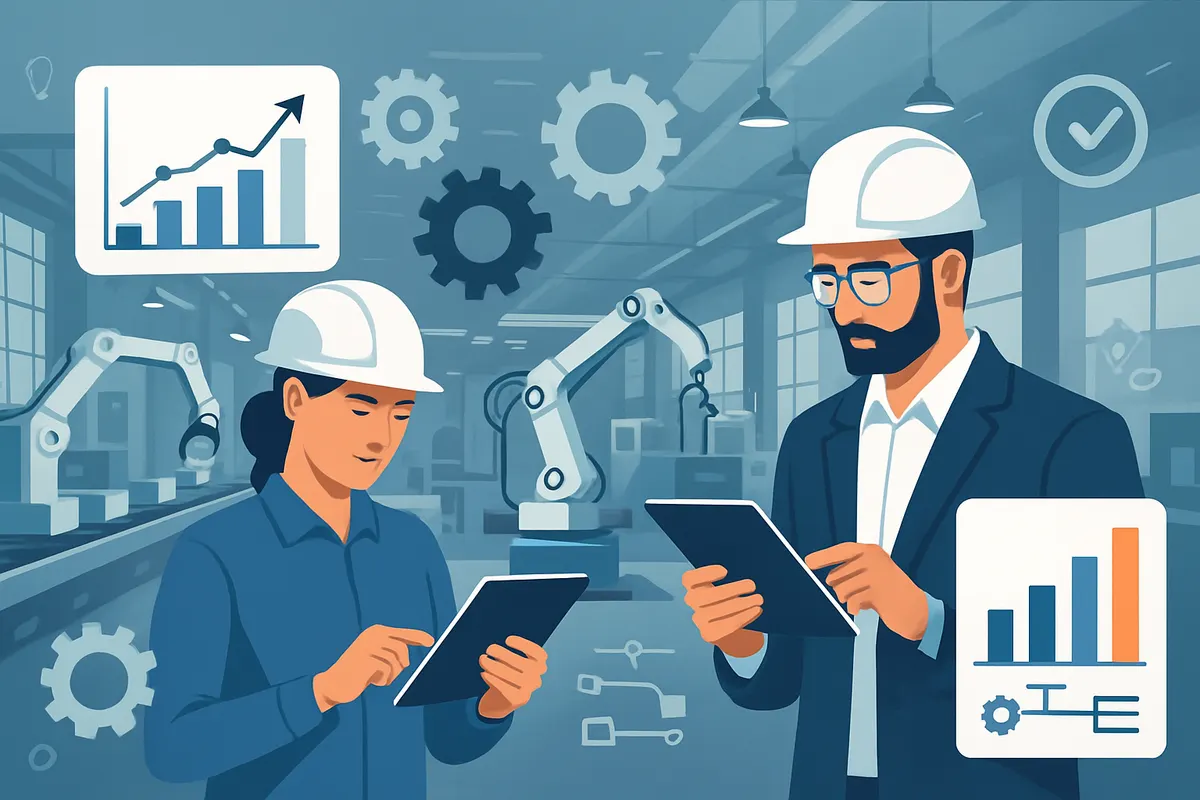
The Missing Link Between Technology and Lean Principles
🚀 In today’s fast-paced business environment, Lean Management is evolving from its manufacturing roots into a robust framework supported by digital tools. Yet, despite advances in automation and artificial intelligence (AI), many organizations struggle to balance these tools with the human-centric habits embedded in Lean thinking. So how do we bridge this critical gap?
The answer lies in leveraging digital tools, like Microsoft 365 Copilot, not just as utilities but as enablers of Lean culture. By aligning technology with practical Lean principles, businesses can transform workflows, reduce employee fatigue, and enhance productivity—all without losing the core of Lean: continuous improvement and respect for people.
Why Digital Lean Matters
1. Digital Integration Enhancing Traditional Lean Principles
Microsoft Copilot has shown measurable contributions in Lean workflows. For example, Copilot assists with predictive automation and data insights, enabling faster problem-solving and decision-making. This reduces cognitive load, enhances operational outcomes, and supports key industries like finance and legal [1][2].
Research from Accenture further reveals that integrating AI tools such as Copilot resulted in 95% productivity gains, streamlining debugging and coding processes while boosting satisfaction among knowledge workers [1].
2. Addressing Misconceptions About AI in Lean
Resistance to AI in Lean environments often stems from fear that technology replaces human-centric methods. In reality, AI complements Lean principles by automating repetitive tasks while freeing employees to focus on higher-value activities. For example, Copilot simplifies tracking operational metrics and recommending actionable improvements, thus enhancing—not replacing—team collaboration [2].
Organizations must overcome this misconception to fully harness AI’s potential, emphasizing its role as a facilitator of Lean workflows rather than a substitute [1].
Practical Steps to Align Digital Tools with Lean Thinking
Step 1: Build “Digital Kaizen”
Encourage continuous improvement in digital workflows by leveraging tools like Copilot.
- Use Teams and Planner to set up transparent processes for Kaizen initiatives.
- Integrate Power Automate for routine task optimization.
- Analyze performance with Power BI, correlating operational insights with Lean objectives.
Step 2: Train Team Members on AI Collaboration
Educating teams about Copilot’s role in Lean culture can drive adoption.
- Host workshops that illustrate real-use cases, like automating error detection in coding or predicting outcomes based on shared datasets.
- Equip managers with quick tutorials to leverage Copilot for decision-making, enhancing both speed and agility [2][3].
Step 3: Standardize Metrics for Digital Lean Success
Legacy tracking often fails to reflect digital workflows. Use tools within Microsoft 365 to align tracking systems with Lean goals:
- Copilot-driven dashboards in Excel for real-time updates on productivity metrics.
- Standardize defect-tracking across global teams using SharePoint.
- Optimize project timelines with Viva Goals to ensure alignment between strategy and execution [1][3].
How Microsoft Copilot Plays a Key Role
Copilot can supercharge Lean principles in various ways:
- Automation + Analysis: Automates repetitive tasks like generating reports, saving employee time for strategic activities.
- Predictive Modeling: Provides insights into workflow bottlenecks and suggests actionable changes.
- Natural Language Processing: Speeds up communication by summarizing meeting notes or identifying priority tasks using AI [1].
In practical terms, Copilot acts like a digital Lean consultant—analyzing workflows, encouraging continuous improvement, and empowering teams with actionable feedback.
Success Story: Accenture’s Copilot Journey
Accenture’s integration of Microsoft 365 Copilot serves as a shining example. By automating tedious processes like debugging, Accenture achieved:
- 95% productivity gains, reducing task fatigue among developers.
- Increased efficiency during project sprints through data-driven task recommendations.
- Enhanced collaboration through AI-powered Teams chat summaries, focusing efforts on what matters most [3].
This highlights how a well-executed digital Lean strategy can deliver tangible value.
Overcoming the Challenges
Even with robust platforms like Microsoft 365, challenges persist. Common hurdles include:
- Resistance to AI adoption from teams unfamiliar with its benefits.
- Misaligned Metrics that fail to reflect both Lean and digital success.
The solution? Pair digital tools with thoughtful integration strategies, aligning metrics with business goals and fostering buy-in with education on value-add outcomes [2].
Get Started with Digital Lean Culture
A successful transition to Digital Lean isn’t just about the tools—it’s about habits, alignment, and culture. Microsoft 365, equipped with AI capabilities like Copilot, is the perfect catalyst to drive this transformation. Take the first step by assessing how well your tools represent Lean thinking, not just digitization.